← Sega GenesisBrowse / Sega Genesis / Aerobiz Supersonic
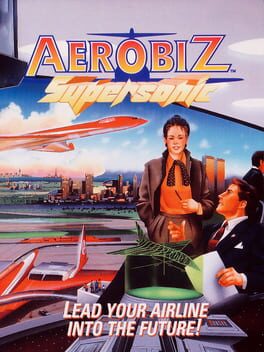
Aerobiz Supersonic
Sega Genesis · Released April 2, 1993 · Developed by Koei · Published by Koei
Single player
SimulatorStrategyBusiness
Loose
—
CIB
—
Sealed
—
Price lookup wires up in Phase F (PriceCharting)
Summary
You have just been elected as the CEO of a brand new airline company that must compete against 3 other airlines for global dominance. Set up new routes, buy businesses, and manage all your resources including planes, cashflow, and company representatives.
The basic premise of the game is the same as that of the original Aerobiz, but this time you have more planes to choose from, more city airports spanned over 7 different global regions, and 4 different time period scenarios complete with historically accurate political relationships and events.
Do you have what it takes to make your company fly high? Or will it crash and burn?
Screenshots
Details
Game Modes
Single player
Themes
Business
Developer
Koei
Also known as
AliasAir Management IIAbbreviation
JapanAir Management II: Koukuu Ou wo MezaseJapanese title - romanization
JapanAir Management II: Aiming to become the King of Aerobiz Japanese title - translated
Release history (5 entries)
| Date | Platform | Region |
|---|---|---|
| Apr 2, 1993 | Super Famicom | — |
| Feb 18, 1994 | Sega Mega Drive/Genesis | — |
| Aug 29, 1994 | Super Nintendo Entertainment System | — |
| Nov 1, 1994 | Sega Mega Drive/Genesis | — |
| — | Satellaview | — |
Videos
Storyline
Aerobiz Supersonic places you in the role of a newly appointed airline CEO whose goal is to achieve global aviation dominance over a 20-year period, out-competing three rival airlines.
The game is a dynamic, historical simulation where your narrative is shaped by real-world global events. You choose from four distinct eras spanning from 1955 to 2020. The context of the narrative changes depending on the era you select:
• Scenario 1 (1955–1975): You guide your company through the dawn of the jet age, transitioning from prop planes to commercial jets amidst the height of Cold War tensions.
• Scenario 2 (1970–1990): Your airline must survive severe macro-economic shocks, including catastrophic global oil crises and political instability.
• Scenario 3 (1985–2005): You operate in a modern, prosperous era of rapid economic growth, expanding tourism, and intense corporate competition.
• Scenario 4 (2000–2020): You navigate the fictionalized future of aviation, introducing commercial supersonic jets to the public while managing sci-fi level disasters like sudden global cooling.
Ultimately, the story concludes when you either go bankrupt, fail to meet your 20-year deadline, or meet the win condition for the respective scenario.